Reviewing Green Brown Circle Wave Pattern Line for Embroidery
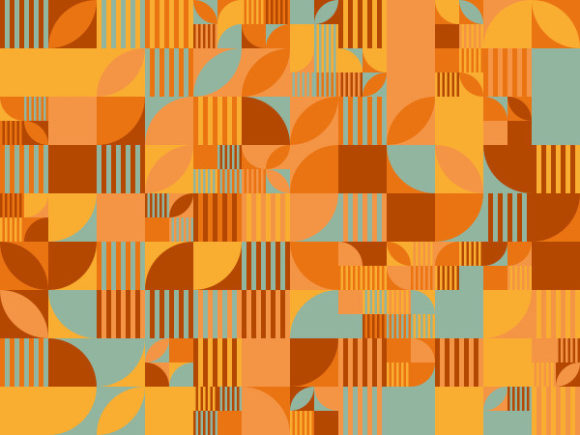
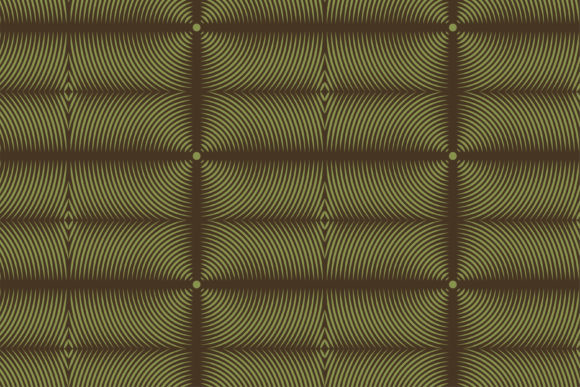
As a designer who spends half my life staring at stitch charts and the other half trying to explain to clients why their logo won’t work on a baseball cap, I approach every new machine embroidery design with a healthy dose of skepticism. We are always looking for that sweet spot between aesthetic appeal and technical feasibility. Today, I am evaluating the Green Brown Circle Wave Pattern Line, a vector abstract brown background featuring flat green retro curve lines. It is marketed as a monochrome graphic in high resolution, but does it translate well to thread? Let’s break down how this Patterns category asset performs when pulled from the screen and onto the fabric.
First Impressions: Mood and Visual Personality
The moment you open the file, the mood is immediately established. This isn’t a chaotic, modern glitch-art piece, nor is it a delicate floral motif. The Green Brown Circle Wave Pattern Line leans heavily into a retro, mid-century modern vibe. The combination of earthy browns and muted greens creates a grounded, organic feel that is currently very popular in boutique branding and nursery decor. Visually, it feels calm and structured. The circle shapes provide a sense of continuity, while the wave lines add movement without overwhelming the eye.
For an Etsy seller or small business owner, this visual personality is a goldmine. It fits seamlessly into the "earthy minimalist" trend that dominates handmade marketplaces right now. It doesn’t scream for attention; instead, it whispers sophistication. This subtlety is crucial because it allows the texture of the fabric and the quality of the thread to shine through, rather than competing with overly complex details that might get lost in stitching.
Real-World Application: From Screen to Stitch
I put this design through its paces by imagining it on several common products. The first test case was a custom embroidered tote bag design. When applied to a natural canvas tote, the brown waves mimic the color of the fabric, creating a tonal effect, while the green lines pop just enough to provide contrast. It works beautifully as an all-over pattern if you have a large hoop, or as a centered panel for a smaller project.
Next, I considered sweatshirt embroidery. Here, the design shines as a chest-sized graphic. The retro curves look fantastic when stitched with a satin stitch outline, giving the garment a polished, commercial look. It elevates a basic pullover into a statement piece suitable for fall fashion. Similarly, for apron embroidery used in kitchen settings, the durable-looking geometric nature of the circles and waves stands up well to the wear and tear of a busy home, adding a touch of charm without being too fussy.
Another strong contender for this embroidery file is baby embroidery. The soft, rounded shapes are gentle and non-threatening, making it ideal for baby blankets or bibs. Parents often gravitate towards designs that feel safe and timeless, and this monochrome graphic delivers exactly that. It also translates well to holiday embroidery projects, particularly for autumn-themed gifts like tea towels or pillow covers, where the brown and green palette feels seasonally appropriate.
Technical Performance and Stitch Clarity
When evaluating any digital embroidery file, we must talk about stitch density and detail retention. The Green Brown Circle Wave Pattern Line relies heavily on line work and fill areas. In theory, this should be straightforward, but in practice, thin lines can sometimes merge together if the stitch density is too high. My advice is to inspect the small details closely before running the machine. If the curves are too tight, they may require a lower density setting to maintain clarity.
The use of satin stitch for the outlines will give the design a crisp edge, which is essential for maintaining the integrity of the circle shapes. However, if you plan to use a heavy fill stitch for the background waves, you need to ensure your stabilizer choice is robust enough to prevent puckering. On lightweight fabrics, this could become a challenge. I recommend testing on scrap fabric first to see how the thread colors interact with the specific weave of your material.
One area where this design requires careful consideration is on curved surfaces like caps or hats. The circular nature of the pattern might distort slightly if not digitized correctly for curvature. It is best suited for flat panels or larger hoops where the distortion is minimal. For embroidered patches, however, it works exceptionally well, providing a bold, recognizable logo that holds its shape even after repeated washing.
Where to Exercise Caution
While this design has many strengths, there are specific scenarios where it might not perform as expected. Avoid using this on highly textured fabrics like thick chenille or rough burlap, as the fine lines of the wave pattern may get swallowed by the fabric nap. Similarly, on stretchy knits, the tension of the stitches could cause the circles to warp unless you use a cut-away stabilizer.
Dark fabrics present another variable. Since the description mentions a monochrome graphic, the contrast between the green and brown threads against a black or navy background needs to be tested. Sometimes, dark-on-dark embroidery loses its definition quickly. Always compare light and dark fabric backgrounds in your mockups to ensure the design remains legible.
Impact on Product Value and Brand Consistency
Using a cohesive design like Green Brown Circle Wave Pattern Line significantly boosts brand consistency for creative entrepreneurs. When your craft business items—such as personalized gifts or commercial embroidery pieces—share a similar visual language, customers begin to recognize your style instantly. This design offers a professional finish that elevates the perceived value of your finished product.
For printable mockups and design assets, this graphic is versatile. It can be used to showcase your embroidery services online, giving potential buyers a clear idea of what the final item will look like. The clean lines and retro aesthetic appeal to a broad demographic, increasing buyer engagement and trust. It signals that you pay attention to detail and current trends, which is critical for success in competitive markets like Etsy or craft fairs.
Practical Designer Notes for Success
To get the most out of this embroidery project, follow these practical steps:
- Test on Scrap Fabric: Never run a full production order without testing the design on the exact fabric you intend to use. Check for puckering, thread breaks, and color accuracy.
- Check Thread Color Contrast: Ensure the green and brown threads stand out against your chosen fabric. You may need to adjust the shade of thread for optimal visibility.
- Inspect Small Details: Zoom in on the wave patterns. If the lines are too thin, consider simplifying the design or adjusting the underlay stitches for better stability.
- Confirm Hoop Size: Make sure your machine’s hoop size can accommodate the design dimensions without requiring re-hooping, which can lead to misalignment.
- Verify Licensing: Before selling handmade products or digital products, confirm the licensing terms. Some graphics are for personal use only, while others allow commercial application.
In conclusion, the Green Brown Circle Wave Pattern Line is a strong candidate for designers looking to add a touch of retro elegance to their portfolio. Its versatility across various products—from kitchen towels to nursery decor—makes it a valuable asset. By paying attention to stitch density and fabric compatibility, you can create stunning, professional results that resonate with customers and drive sales for your small shop product line.