Reviewing Display SVG Typography for Embroidery
As a designer who spends half the day sketching and the other half troubleshooting stitch density on an embroidery machine, I am always skeptical when a new digital asset promises to "decorate" everything from cups to clothing. The market is flooded with vector files that look stunning on a screen but fall apart under the needle. That is why I approached Display SVG Typography with a critical eye. This hand-drawn SVG concept art claims versatility, but does it hold up in a real-world commercial embroidery project? After testing its potential applications for custom apparel, small business merchandise, and personalized gifts, here is my practical assessment of how this design performs as both a digital asset and a physical embroidered product.
First Impressions: Mood and Visual Personality
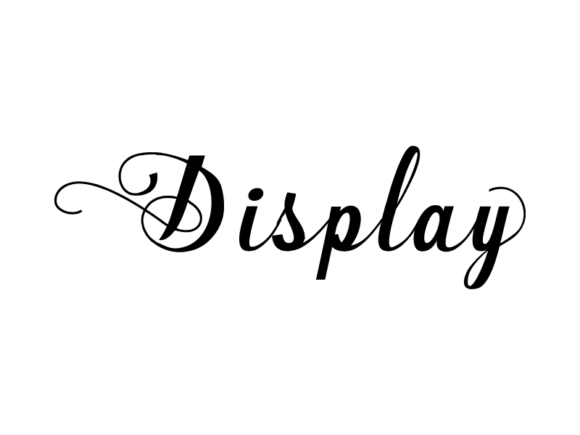
The immediate appeal of Display SVG Typography lies in its organic, hand-drawn aesthetic. In a sea of rigid, geometric sans-serifs, this design offers a warm, approachable vibe that resonates well with the handmade community. The typography feels less like a corporate logo and more like a personal note or a boutique brand mark. For an embroiderer, this translates to a design that naturally fits into the "craft business" and "Etsy seller" niches where authenticity is key.
The layout appears balanced, allowing for easy resizing without losing legibility—a crucial factor when adapting a single file for different products. Whether you are planning a large back print on a sweatshirt or a subtle chest logo on a tote bag, the visual personality of Display SVG Typography remains consistent. It creates a mood that is casual yet professional, making it suitable for a wide range of clients, from wedding planners looking for guest book accents to parents seeking unique baby items.
Real-World Application: From Screen to Stitch
To truly evaluate an embroidery file, we must move beyond the monitor. I considered how Display SVG Typography would perform across several high-demand product categories.
- Custom Apparel and Sweatshirts: On soft cotton blends or fleece, this hand-drawn style adds texture and character. It works exceptionally well as a focal point on the front pocket of a hoodie or centered on the back of a tee. The irregular lines of the hand-drawn font can mimic the slight imperfections of thread, creating a cohesive look that feels intentionally crafted rather than mass-produced.
- Tote Bags and Canvas Items: A classic use case for SVG typography. When stitched onto natural canvas or heavy-duty cotton bags, the design gains a rustic charm. It serves as excellent branding for small shop owners selling goods at craft fairs. The durability of the design ensures it withstands the wear and tear typical of reusable bags.
- Baby Items and Nursery Decor: The gentle curves of the typography make it ideal for baby clothes, bibs, and nursery wall hangings. It avoids the harshness of block letters, offering a softer visual experience that appeals to gift-givers looking for personalized presents. As a "personalized gift," it adds a touch of warmth that standard fonts often lack.
- Kitchen and Home Textiles: Tea towels, aprons, and pillow covers benefit from this style. It elevates a simple kitchen towel into a decorative piece. For home decor, it provides a trendy, modern farmhouse aesthetic that is currently popular in interior design markets.
Technical Considerations and Potential Pitfalls
No design is perfect, and understanding where Display SVG Typography might struggle is just as important as knowing where it shines. Embroidery is a mechanical process, and certain variables can compromise the final result.
Small Hoop Sizes and Detail Levels: If you attempt to digitize this design for very small hoop sizes (such as 4x4 inches or smaller), fine details in the hand-drawn strokes may become muddy. The distinction between individual threads could be lost, turning clean lines into blobs. It is advisable to reserve this design for medium to large formats where the stitch definition can breathe.
Fabric Texture and Stability: Embroidering on highly textured fabrics, such as heavy bouclé or loose-weave linen, can distort the typography. The fabric's surface may interfere with the needle's path, leading to skipped stitches or misalignment. Similarly, stretchy fabrics require careful stabilization; without proper interfacing or cut-away stabilizer, the hand-drawn curves may pucker or warp during stitching. Always test on scrap fabric first to gauge how the material interacts with the design.
Thread Color Contrast: Because the design relies on clear outlines and internal spaces, low contrast between the thread and the fabric can render it illegible. Dark fabrics require light, vibrant threads, while light fabrics need darker, saturated colors. Avoid pastels on white backgrounds unless the goal is a subtle tonal effect. Testing in black and white mockups before committing to specific thread colors is a smart step to ensure visibility.
Impact on Product Value and Brand Consistency
Using a unique design like Display SVG Typography directly influences customer trust and perceived value. In the world of handmade products, buyers are often willing to pay a premium for items that feel bespoke and thoughtfully designed. A well-executed embroidery project using this typography signals professionalism and attention to detail.
For entrepreneurs, consistency is vital. This design’s adaptable nature allows you to maintain a recognizable brand identity across various touchpoints—from your Etsy listings and printable mockups to the actual finished product. When a customer receives a package containing a tote bag, a sticker, and a thank-you card all featuring the same embroidered-style typography, it reinforces brand cohesion. This level of polish can significantly boost buyer engagement and encourage repeat purchases.
Practical Designer Notes for Implementation
Before adding Display SVG Typography to your production workflow, consider these essential steps to ensure success:
- Verify Licensing: Confirm whether the SVG file allows for commercial use. Many "concept art" files are intended for personal projects only. Selling finished products requires explicit permission to avoid legal issues.
- Check Stitch Density: Ensure the design is not too dense for your machine or the chosen fabric. Excessive density can cause puckering, especially on delicate materials.
- Select Appropriate Stabilizer: Use the correct stabilizer type (cut-away for stretchy fabrics, tear-away for wovens) to support the embroidery during stitching.
- Test Run: Always stitch a sample on the actual fabric you plan to use. Check for thread breaks, tension issues, and overall clarity.
- Review Small Details: Zoom in on the digital file to inspect corners and thin lines. Decide if any elements need simplification for better stitchability.
In conclusion, Display SVG Typography is a versatile and visually appealing choice for designers looking to add a human touch to their embroidery projects. Its hand-drawn charm fits seamlessly into the handmade, craft, and small business sectors. By paying attention to technical details like fabric choice, stabilizer usage, and licensing, you can transform this digital graphic into a high-quality, profitable physical product that customers will love.