3Designs Wall Art One Line Whale, Marine Embroidery Review
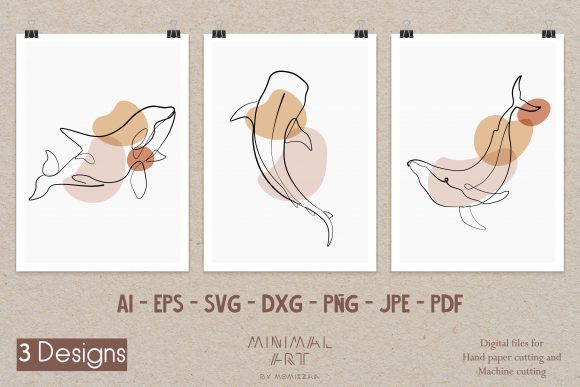
When I look at a new digital asset for my embroidery studio, I am not just looking at a pretty picture. I am looking at stitchability, marketability, and the potential for a finished product that feels professional rather than amateurish. Recently, I came across 3Designs Wall Art One Line Whale, Marine, an SVG sublimation and digital print file described as a continuous line illustration of a whale in a hand-drawn style. On paper, it sounds simple. In practice, simplicity is where most embroidery designs fail or shine. After evaluating this design for potential use in custom apparel, nursery decor, and small business merchandise, here is my honest breakdown of how 3Designs Wall Art One Line Whale, Marine performs when translated from screen to fabric.
The First Impression: Mood and Visual Personality
The immediate appeal of 3Designs Wall Art One Line Whale, Marine lies in its minimalism. The continuous line technique creates a fluid, organic shape that mimics the graceful movement of a marine animal. For an embroidery designer, this aesthetic is intriguing because it promises a clean, modern look without the visual clutter of complex fills or heavy shading. It feels calm, sophisticated, and universally appealing. This is not a loud, aggressive graphic; it is a quiet statement piece that fits well with current trends in boho-chic, coastal living, and minimalist nursery aesthetics.
The "hand drawn" quality mentioned in the description suggests slight imperfections in the line weight, which can actually be a benefit in embroidery. Perfectly geometric lines can sometimes look stiff when stitched, whereas a slightly organic curve allows the thread to follow the natural flow of the design. However, this also means the success of the project will depend heavily on how well your machine digitizes those subtle curves into satin or running stitches.
Real-World Application: Where This Design Shines
I have been thinking about where 3Designs Wall Art One Line Whale, Marine would fit best in a commercial workflow. Because the design is centered and relies on negative space, it works exceptionally well as a focal point on larger garments or home goods. Here are a few scenarios where this design excels:
- Custom Apparel and Sweatshirts: Placing a single-line whale on the back of a cream-colored sweatshirt or the front pocket of a denim jacket creates a high-end boutique feel. The lack of dense color blocks means you can use a contrasting thread color—like navy blue on white or mustard yellow on black—to make the line pop without overwhelming the garment.
- Nursery Decor and Baby Items: This is perhaps the strongest market fit. A gentle whale motif is timeless for baby showers and nurseries. When applied to muslin swaddles, hooded towels, or crib bumper pads, the soft line art translates beautifully, offering a gender-neutral option that parents love.
- Tote Bags and Kitchen Towels: For craft fair products or Etsy listings, 3Designs Wall Art One Line Whale, Marine serves as an excellent tote bag design. The simplicity ensures that even if the stitching isn't perfectly aligned, the overall image remains recognizable. It also works well on linen tea towels, adding a touch of elegance to kitchen textiles.
- Embroidered Patches: If you plan to sell ready-made patches, this design’s clear silhouette makes it easy to cut out and finish with a merrow edge. It provides a distinct brand identity for small shop products without requiring intricate detail work that might get lost in production.
Technical Considerations and Stitching Challenges
While the concept is strong, translating a continuous line vector into a physical machine embroidery design requires careful planning. The primary challenge with one-line art is maintaining consistency in line width. In digital graphics, a line is mathematically perfect. In embroidery, it is made of thousands of tiny stitches. If the stitch density is too low, the fabric may show through, ruining the illusion of a solid line. If it is too high, the fabric may pucker, especially on lightweight materials.
When considering 3Designs Wall Art One Line Whale, Marine for a real project, you must evaluate the hoop size relative to the final product. A design that looks balanced on a screen might become too large for a standard 4x4 hoop if scaled up for a full-front chest logo. Conversely, scaling it down too much for a cap or a small patch may cause the fine details of the whale’s tail or blowhole to merge into a blob. Always test the embroidery file at the intended output size before committing to bulk production.
Fabric choice is equally critical. This design relies on contrast. On dark fabrics, you will need a thick, opaque thread to ensure the white or light-colored line stands out. On textured fabrics like raw denim or heavy canvas, the needle penetration might distort the delicate curves. In these cases, using a proper stabilizer is non-negotiable. A tear-away stabilizer might leave residue, while a cut-away stabilizer could add unwanted bulk to a lightweight tote bag. I recommend testing on scrap pieces of your target fabric to see how the running stitch or satin stitch interacts with the weave.
Strategic Use Cases and Commercial Viability
For Etsy sellers and small business owners, versatility is key. 3Designs Wall Art One Line Whale, Marine is versatile enough to be used in multiple product categories, which helps maximize the value of your initial investment. You can create a cohesive collection by applying the same whale motif to different items: a matching set of a baby onesie, a burp cloth, and a nursery wall hanging.
However, there are areas where caution is advised. Avoid placing this design on highly stretchy knits without significant stabilization, as the tension of the thread can cause the fabric to pucker over time, leading to customer complaints about durability. Similarly, on curved surfaces like baseball caps, the flat nature of the line art might not conform well to the crown’s curvature unless the digitization includes specific underlay stitches to manage the tension.
Another consideration is the end use. If you are creating personalized gifts, the simplicity of the whale allows room for adding text. You could pair the design with names, dates, or short phrases like "Sea You Soon" or "Little Explorer." This adds perceived value to the finished product and makes it more attractive to buyers looking for unique, customized items. Just ensure that any added text does not compete with the main subject for attention.
Final Verdict and Practical Advice
Overall, 3Designs Wall Art One Line Whale, Marine is a strong candidate for designers who value clean aesthetics and broad market appeal. It avoids the pitfalls of overly detailed designs that require expensive machines and skilled operators to execute correctly. Instead, it offers a forgiving yet stylish option that can elevate everyday items into premium-looking goods.
To ensure success, I strongly advise the following steps before launching your product line:
- Test on Scrap Fabric: Never skip this step. Stitch the design on the exact fabric you plan to sell. Check for puckering, thread breaks, and clarity of the line.
- Review Stitch Density: Ensure the digitization (or your own settings) balances coverage with flexibility. Too much density kills the drape of the fabric.
- Check Licensing: Before selling commercial embroidery items, verify the license terms associated with the digital embroidery file. Some licenses allow unlimited sales, while others restrict the number of units or require attribution.
- Create Mockups: Use printable mockup tools to visualize how the design looks on different backgrounds. This helps you gauge visual appeal and brand consistency before spending money on materials.
If you are looking to add a touch of marine elegance to your craft business or custom apparel offerings, this design is worth exploring. Its simplicity is its strength, allowing it to blend seamlessly into various styles while still making a memorable impression. Just remember that the magic happens in the execution—choose your threads wisely, stabilize properly, and let the clean lines of the whale do the talking.