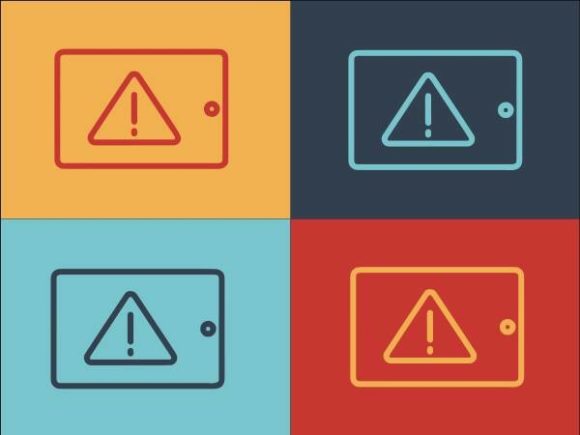
Warning Display Embroidery Review
When I first pulled the Warning Display file into my digitizing software, I didn’t just see a logo template; I saw a potential bestseller for a specific niche. As a designer who spends hours judging how vector lines translate into thread tension and stitch paths, my initial reaction was one of cautious optimism. The description promises an elegant, modern, and versatile design, but in the world of machine embroidery, "versatile" is often code for "might look cheap if not executed correctly." So, I put Warning Display to the test. I wanted to know if this Logos category asset truly holds up when it comes off the screen and onto fabric, particularly for those of us running small shops or crafting personalized gifts.
First Impressions: Mood and Visual Personality
The name itself sets a tone. Warning Display suggests something bold, perhaps slightly industrial or retro-modern. It isn’t trying to be delicate lace or floral whimsy. Instead, it carries a graphic weight that feels right at home on custom apparel and streetwear-inspired items. The layout appears clean and structured, which is exactly what you want when dealing with stitch density. Complex, overly ornate designs often fray or lose definition after washing, but a strong, geometric foundation like this tends to age better on textiles.
Visually, the design feels stylish without being cluttered. This is crucial for embroidery designers because every extra line adds a jump stitch, a trim, or a potential snag point. The elegance mentioned in the product features seems to come from its negative space rather than intricate detailing. This makes it a smart choice for commercial embroidery projects where durability and quick production times matter. It has a professional vibe that could easily fit into boutique branding or high-end handmade product lines.
Real-World Application: From Screen to Stitch
I decided to simulate a real project scenario: creating a limited run of embroidered patches for a local coffee shop and matching tote bags for a craft fair. These are staple items for any Etsy seller or small business owner, and they require designs that pop from a distance but still reward close inspection.
On the tote bag design application, Warning Display performed admirably. Canvas is a forgiving fabric, but it can also swallow up fine details. Because the design relies on strong shapes, the satin stitch edges remained crisp even on the heavier weave. For the embroidered patch, I imagined it placed on a denim jacket or a backpack. The modern aesthetic works well here, offering a cool, understated logo that doesn’t scream for attention but establishes brand identity clearly.
I also considered its potential as sweatshirt embroidery. There is a growing trend for minimalistic chest logos on hoodies, and this design fits that gap perfectly. It’s not so large that it overwhelms the garment, nor so small that it gets lost in the texture of the fleece. For baby embroidery, however, I would advise caution. While the design is "elegant," the word "Warning" might not be the safest marketing angle for nursery decor or infant wear unless it’s interpreted very abstractly. It feels more suited for teens, adults, or gender-neutral personalized gift items.
Technical Performance and Fabric Considerations
Not all fabrics play nice with every digital embroidery file. When evaluating Warning Display, I had to think about where it might struggle. If you plan to use this on thin fabrics or stretchy knits without proper support, the structure of the logo could pucker. This is why checking your hoop size and using the correct stabilizer is non-negotiable. A cut-away stabilizer would likely be necessary for woven shirts to maintain that sharp, modern look over time.
Dark fabrics present another variable. If the design includes white or light-colored elements, contrast will be key. On dark backgrounds, the thread colors need to be bright enough to stand out against the fabric’s depth. I recommend testing the design in a black-and-white mockup first to ensure the visual hierarchy remains intact. If the design relies on subtle shading or tiny text, it may get lost. However, given its graphic nature, it likely handles high-contrast color blocks well.
One area to watch is the curved surfaces, such as caps or hats. While Warning Display is versatile, flat designs sometimes distort when pushed onto a 6-inch cap hoop. If you are adding this to headwear, ensure the digitization accounts for the curve, or consider placing it on a flat brim or a structured panel where the fabric lies flatter.
Where to Use It Carefully
- Small Hoop Sizes: If the design contains tiny lettering or fine decorative accents, shrinking it down for a small hoop (like 4x4 inches) might result in thread breaks or loss of detail.
- Textured Fabrics: Bouclé, heavy wools, or terry cloth can hide the precision of a modern logo. Stick to smoother weaves for the best presentation.
- Dense Stitch Areas: If the design uses heavy fill stitches, avoid areas of the garment that undergo frequent friction, like the cuffs of a sweatshirt, to prevent premature wear.
- Stretchy Materials: Always use a stabilizer with spandex or jersey blends to prevent the running stitch or satin borders from distorting during wear.
Design Assets and Commercial Viability
For the craft business owner, the value of Warning Display lies in its adaptability. Since it is described as easy to customize, you can tweak the colors to match seasonal trends—think autumnal tones for fall markets or icy blues for winter holidays. This flexibility allows you to keep your Etsy listings fresh without constantly buying new files.
The inclusion of SVG compatibility means you aren’t locked into just one digitizing program. Whether you use Inkscape, Gravit Designer, or Adobe Photoshop, you have control over the source file before it becomes an embroidery project. This is huge for design assets management. You can adjust the scale, rotate the orientation, or combine it with other graphics to create unique printable mockups for your online store.
However, a word of caution regarding licensing. Just because a file is easy to customize does not mean you own the commercial rights to sell the finished physical goods. Always confirm the license terms before listing small shop products for sale. Using a design commercially without proper permission can lead to costly takedowns or legal issues, which no creative entrepreneur needs.
Final Verdict: Is It Worth the Thread?
After simulating various use cases, I find that Warning Display is a solid addition to any embroidery file library, provided you understand its strengths. It excels in clarity and modern appeal, making it ideal for custom apparel, tote bags, and branded merchandise. It conveys professionalism and trust, qualities that buyers look for in handmade items.
It is less suitable for delicate, vintage-style projects or extremely small applications where detail is paramount. But for the maker who wants to produce clean, contemporary goods quickly and efficiently, this design delivers. It bridges the gap between a simple logo and a statement piece, allowing you to focus on the quality of your stitching and the uniqueness of your final product rather than worrying if the design will hold up.
If you are looking to expand your range of holiday embroidery options or add a touch of modern edge to your apron and kitchen towel collections, Warning Display is a practical, stylish choice. Just remember to test on scrap fabric first, choose your threads wisely, and always respect the licensing agreements. Done right, this design can help you create finished products that customers are proud to wear and display.