Flexible Display Icon Embroidery Review
As a designer who spends half my life staring at stitch lines and the other half trying to sell finished goods, I don’t just look at an embroidery file; I look at the potential of the final product. When Flexible Display Icon landed in my inbox, I didn’t immediately think about the vector paths or the clean bezier curves. I thought about the tote bag sitting on my worktable. I thought about the sweatshirt waiting for a logo. I thought about whether this design would actually hold up when it came out of the hoop, or if it would look like a muddy mess after one wash cycle.
This review is not a technical spec sheet. It is a practical evaluation of how Flexible Display Icon performs as a real-world asset for embroidery designers, small business owners, and crafters. Whether you are listing on Etsy, running a boutique shop, or making personalized gifts for friends, here is what you need to know before you hit “start” on your machine.
First Impressions: Mood and Visual Personality
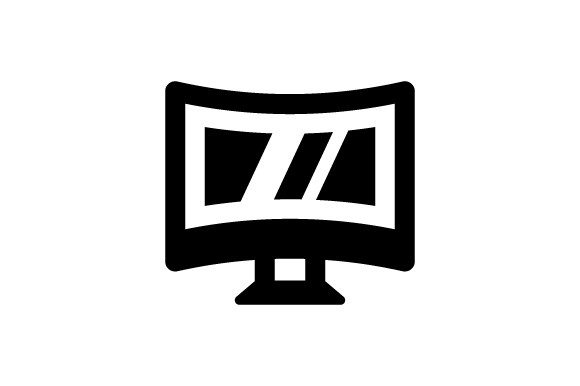
The first thing that strikes you about Flexible Display Icon is its adaptability. The name suggests utility, but in the world of graphics and icons, utility can often feel sterile. Fortunately, this design avoids that trap. It has a clean, modern aesthetic that feels professional without being cold. The layout is balanced, which is crucial because embroidery is a subtractive art in many ways—you are building up texture with thread, and if the original graphic is too cluttered, the stitches will compete with each other.
The visual personality of the icon leans toward minimalism with a touch of playfulness. This makes it incredibly versatile. It doesn’t scream for attention like a complex floral bouquet, nor does it whisper so quietly that it gets lost on a dark fabric. It sits comfortably in the middle, offering clarity and recognition. For a designer, this is gold. It means the design works well as a standalone statement piece on a chest pocket or as a subtle branding element on a sleeve.
Real-World Application: Where Does It Fit?
I took Flexible Display Icon through a series of mental (and actual) project scenarios to see where it shines. Here is how it translates from screen to fabric.
- Custom Apparel and Sweatshirts: This is perhaps the strongest use case. On a heavyweight cotton sweatshirt, the icon provides a sharp contrast against the fabric’s nap. It works beautifully as a left-chest logo for a brand or a simple, stylish addition to a hoodie. The clean lines of the icon ensure that even if the fabric is slightly textured, the design remains legible.
- Tote Bags and Canvas Goods: If you are selling canvas totes, you know that designs often get stretched or distorted during stitching. Flexible Display Icon’s structural integrity holds up well here. It looks great centered on a tote bag, giving it that “boutique” feel that customers love. It pairs nicely with natural jute or sturdy cotton canvases.
- Baby Items and Nursery Decor: There is something inherently safe and gentle about simple geometric or icon-based designs. For baby blankets, burp cloths, or nursery wall hangings, this icon offers a modern twist on traditional nursery themes. It is gender-neutral enough to appeal to a wide range of buyers looking for personalized gifts.
- Embroidered Patches: Because the design is self-contained and has clear boundaries, it translates exceptionally well into patch format. You can add a satin stitch border around the edges of the icon to create a durable patch for backpacks, denim jackets, or hats. The simplicity ensures that the patch doesn’t become too bulky or stiff.
- Kitchen and Home Textiles: Tea towels, aprons, and pillow covers are huge markets for handmade goods. Flexible Display Icon adds a touch of contemporary style to these functional items. Imagine it embroidered on a linen apron for a home baker or on a set of matching kitchen towels. It elevates the perceived value of the item from “craft fair trinket” to “curated home decor.”
Technical Considerations and Stitch Behavior
No matter how good a design looks on screen, the real test is the stitching. Flexible Display Icon includes EPS, SVG, AI, and PNG files, which gives you flexibility in how you prepare the file, but you must be mindful of how those vectors translate into stitches.
Stitch Density and Clarity: The design relies on clean shapes rather than intricate shading. This is ideal for machine embroidery because it reduces the risk of thread breaks and puckering. However, you need to check the stitch density settings in your software. If the fill stitch is too dense, the fabric may pucker. If it is too sparse, the backing material might show through. A moderate density usually yields the best result for this type of icon.
Thread Color Contrast: The success of any icon-based design hinges on contrast. On light fabrics, darker threads will make the design pop. On dark fabrics, you will likely need a cut-away stabilizer and possibly a underlay stitch to ensure the white or light-colored threads stand out against the texture of the garment. Always test your thread colors on scrap fabric that matches your final product.
Hoop Size Constraints: While the design is flexible, remember that smaller hoop sizes limit the amount of detail you can capture. If you plan to embroider this on a cap or a small baby hat, ensure that the smallest details in the icon are large enough to be stitched clearly. Tiny lines can disappear or merge together if the scale is too small.
Where to Use Caution
Even the best designs have limitations. There are specific situations where Flexible Display Icon might not perform as expected:
- Stretchy Fabrics: Avoid using this design on highly stretchy materials like spandex blends unless you are using a heavy-duty stabilizer. The tension changes during wear could distort the clean lines of the icon.
- Textured Fabrics: While it works on standard cotton, heavily textured fabrics like bouclé or thick chenille can obscure the finer details of the icon. In these cases, the design might lose its crispness.
- Complex Curves: If the icon contains very tight curves or small corners, inspect them closely. Sometimes, what looks like a perfect corner on screen becomes a rounded blob in thread due to the way the needle penetrates the fabric.
- Dense Stitch Areas: If you decide to add heavy decorative accents around the icon, be careful not to overwhelm the design. The icon should remain the focal point. Too much surrounding stitching can make the final product look cluttered and reduce its professional appeal.
Final Verdict for Designers and Sellers
Flexible Display Icon is a reliable, versatile tool in your design arsenal. It is not flashy, but it is effective. For Etsy sellers and small business owners, it represents a low-risk, high-reward asset. It fits seamlessly into current trends for minimalist, modern handmade goods. It works well for personalized gifts, commercial embroidery projects, and digital product previews.
Before you start mass-producing, always do your due diligence. Test the design on your specific fabric and thread combination. Check the licensing terms if you plan to sell finished items. Confirm that the file formats provided (EPS, SVG, AI, PNG) meet your workflow needs. By taking these practical steps, you can ensure that Flexible Display Icon delivers the quality and professionalism your customers expect.
In a market saturated with generic clipart, a clean, well-executed icon stands out. It signals to the buyer that you care about details. It builds trust. And ultimately, that is what turns a casual browser into a loyal customer. If you are looking for a design that bridges the gap between digital aesthetics and tactile craftsmanship, Flexible Display Icon is worth the investment.