Display Classic Backdrop: Premium Graphics for Print Templates
In the world of digital publishing, first impressions are everything. As a blog designer who has spent years curating visual systems for content sites, I know that a single graphic can make or break reader trust. Today, I am reviewing Display Classic Backdrop, a graphic design asset that promises to elevate editorial quality across websites and social channels. This review comes from the perspective of a publisher who needs visuals that not only look beautiful but also perform in real-world scenarios like affiliate marketing, newsletter campaigns, and downloadable resource hubs.
The First Impression: Editorial Mood and Niche Fit
When I first opened the files for Display Classic Backdrop, the immediate feeling was one of refined sophistication. While many digital papers lean too heavily into trends, this set strikes a balance between modern design and timeless elegance. It creates an editorial mood that feels polished yet approachable. The aesthetic suggests a niche that values quality, whether it is lifestyle blogging, online education, or creative entrepreneurship.
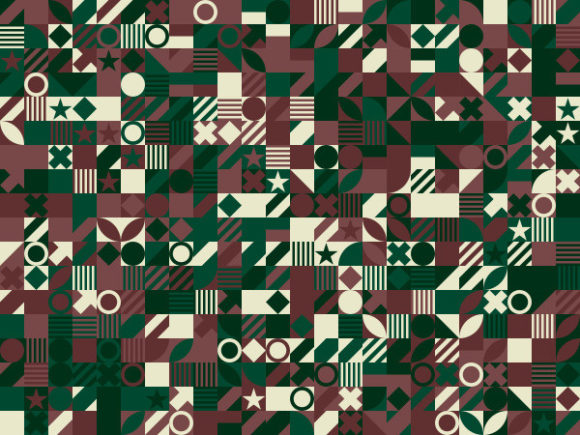
The description notes that while clean design is standard, the creator wanted to "literally get my hands dirty" to create unique digital papers. In practice, this translates to textures and patterns that add depth without overwhelming the viewer. For a content publisher, this means your site won't look like a generic template. Instead, it will feel handcrafted and intentional. This level of detail supports brands that want to stand out in crowded feeds, particularly those focusing on visual hierarchy and brand identity.
Real-World Publishing Workflows
I recently tested these assets within a typical content publishing workflow. Imagine you are preparing a week's worth of content for a blog focused on home decor or business tips. You need featured images, Pinterest pins, and email headers that all speak the same visual language. Display Classic Backdrop fits seamlessly into this process.
The file includes SVG formats, which is a game-changer for web performance and scalability. Being able to scale these graphics to any size ensures they look crisp on high-resolution displays and sharp on mobile devices. Here is how I integrated them into specific projects:
- Blog Featured Images: Using the backdrop as a background layer allowed me to place bold headlines with excellent contrast, creating a clear call to action.
- Pinterest Pins: The scalable nature of the graphics meant I could resize them for vertical pins without losing quality, ensuring better click-through potential.
- Newsletter Headers: These assets added a professional touch to email campaigns, making the content feel more premium than standard text-only blasts.
- Digital Guides and Lead Magnets: I used the designs for eBook covers and worksheet backgrounds, turning simple PDFs into valuable digital products.
- Media Kits: For small business owners pitching to advertisers, these graphics elevated the visual presentation of their media kits immediately.
Boosting Content Performance Through Visual Design
Why does this matter? Because visual communication drives engagement. When a user lands on your site, the Display Classic Backdrop helps establish a stronger first impression. A consistent visual system improves reader trust and category recognition. If your graphics look professional, your content is perceived as authoritative.
This asset supports content marketing goals by providing a cohesive look across different platforms. Whether you are running affiliate marketing campaigns or selling your own digital downloads, having a unified visual identity is crucial. The design allows for better visual hierarchy, guiding the reader's eye exactly where you want it to go. This clarity can lead to higher conversion rates and longer time-on-page metrics.
Where This Asset Shines in Your Workflow
There are specific areas where Display Classic Backdrop excels. It is perfect for hero images that need to grab attention immediately. The texture adds character to article thumbnails, making them pop in search results and social feeds. For editors, these graphics serve as excellent accents in layout designs, breaking up long blocks of text with engaging visuals.
It is also highly effective for content upgrades. If you offer a free checklist or guide in exchange for an email address, using a custom background from this set makes the download feel exclusive. Furthermore, for Canva templates or other design tools, these SVG files provide a robust foundation that designers can manipulate easily.
Strategic Caution: Where to Use Carefully
However, every design asset has its limits. As a publisher, I advise caution when using Display Classic Backdrop in certain contexts. If your website relies on extremely minimal aesthetics, the texture might be too busy for some users. Similarly, for serious professional niches like corporate finance or legal services, a decorative backdrop might undermine the gravity of the message.
Be mindful of mobile usage. On small screens, complex backgrounds can sometimes compete with headline text, reducing readability. Always test your graphics as small thumbnails to ensure the pattern doesn't become muddy. Additionally, if your blog is already text-heavy, adding another layer of visual noise can overwhelm the reader. In these cases, use the asset sparingly or adjust the opacity to blend it more subtly.
Practical Publisher Notes for Implementation
To get the most out of this graphic design asset, follow these practical steps before deploying them live:
- Test Across Devices: Preview the backdrop on desktop monitors, tablets, and smartphones. Ensure the resolution remains sharp and the colors do not shift unexpectedly.
- Check Thumbnail Visibility: Crop the image to the size of a blog post thumbnail. Does the design still hold up when reduced? Is the focal point clear?
- Font Pairing Tests: Place your headline text over the backdrop. Try pairing it with serif fonts for a classic look, sans-serif for modernity, or script fonts for a personal touch. Ensure there is sufficient contrast for accessibility.
- Review File Size: Even though the files are SVGs, always compress images properly before uploading to your CMS to maintain fast load times.
- Verify Licensing: Confirm your commercial license before using these graphics on monetized websites, affiliate pages, or paid content products. This protects your business and ensures you are compliant with the terms of use.
Final Thoughts on Editorial Quality
Display Classic Backdrop is more than just a pretty picture; it is a tool for building a stronger brand identity. For bloggers, digital marketers, and creative entrepreneurs, the ability to quickly produce high-quality visuals is essential. This set of print templates offers the flexibility needed to adapt to various commercial design needs.
By integrating these graphics into your workflow, you are investing in the perceived value of your content. Whether you are creating a digital product, designing a newsletter header, or crafting a Pinterest pin, the attention to detail in this asset shows. It proves that even in a digital-first world, the tactile feel of well-designed paper can translate beautifully to the screen, enhancing the overall user experience and driving better results for your content strategy.