Display Artistic Backdrop: A Practical Review for Graphics and Print Templates
When I sit down to prepare a new collection for my Etsy shop or update my digital download bundle on Creative Fabrica, I am constantly asking myself one question: does this asset actually sell? It is not enough for a design to look pretty; it needs to function as a commercial tool. Recently, I evaluated a graphic design asset titled Display Artistic Backdrop. As an experienced creator who sells print-on-demand items, SVG designs, and printable planners, I needed to see if this file would add real value to my product line or just clutter my hard drive.
The description notes that the package includes an SVG Easily editable and scalable to any size, which immediately caught my attention. The creator mentioned, "I love clean design as much as anyone, but for this set, I was so excited to literally get my hands dirty and create digital papers." This sentiment resonates with me. In a market saturated with sterile, minimalist vectors, there is often a strong demand for texture and organic feel. Below is my honest breakdown of how Display Artistic Backdrop fits into a serious seller’s workflow.
First Impressions and Visual Personality
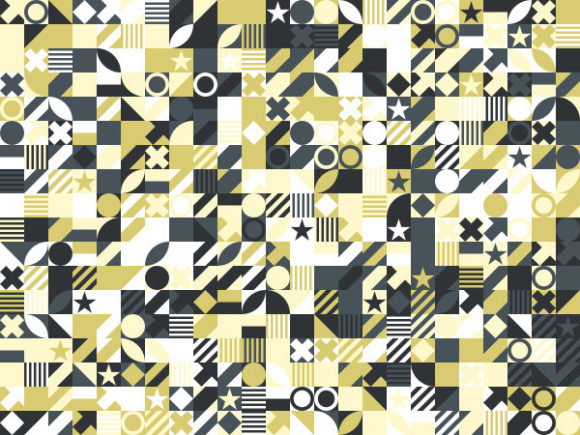
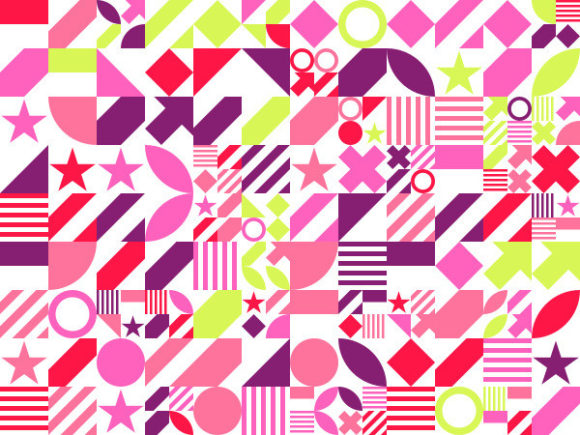
Upon opening the files, the first thing I noticed was the texture. Unlike flat vector shapes that can sometimes feel cold, these backgrounds have a tactile quality. They feel handmade yet polished. This is crucial for today’s buyer, who often seeks the aesthetic of a handmade business even when purchasing digital downloads. The visual personality leans toward rustic, artistic, and slightly bohemian. It is not overly cute or childish, nor is it strictly corporate. Instead, it strikes a balance that appeals to creative entrepreneurs, bloggers, and small business owners looking for brand identity elements that feel authentic.
This kind of digital product works exceptionally well for audiences interested in journaling, scrapbooking, and lifestyle branding. If your target customer is someone who values aesthetics over pure utility, this backdrop provides the emotional hook necessary to drive clicks. It adds depth without overwhelming the primary subject of a design, making it a versatile layer for various applications.
Real-World Product Applications
I tested Display Artistic Backdrop across several potential product categories to see where it shines. Here is where I found the most commercial viability:
- Printable Wall Art and Nursery Prints: Because the file is scalable, I could place text overlays on the backdrop to create instant art prints. The texture adds a premium feel that mimics high-quality paper stock, increasing the perceived value of a simple digital download.
- Planner Stickers and Digital Junk Journal Kits: For Cricut users and digital planners, these backdrops serve as excellent base layers. They provide context for stickers and photos, turning a simple collage into a cohesive page layout.
- Sublimation Designs and T-Shirt Graphics: When used as a background for typography-based t-shirt designs, the backdrop prevents the design from looking too stark. It softens the contrast between the shirt color and the ink, creating a vintage or distressed look that is currently trending in print-on-demand markets.
- Social Media Graphics and Blog Headers: Content creators need consistent branding. Using this backdrop as a template allows for quick variations of promotional visuals. It helps establish a visual hierarchy where the text remains readable while the background adds character.
- Invitation Templates and Greeting Cards: For seasonal collections, such as autumn harvests or spring florals, this artistic backdrop provides the perfect mood setter. It elevates a standard Canva template into something that looks professionally designed.
Enhancing Product Presentation and Mockups
In the world of online selling, your thumbnail is everything. A boring white background rarely converts. I used Display Artistic Backdrop to create mockup previews for my listings. By placing a sample mug or a framed print onto the backdrop, I was able to create a scene that told a story. This technique supports visual storytelling and builds customer trust by showing the buyer exactly how the product will look in a real-life setting.
Furthermore, using this asset in product bundles increases their attractiveness. A bundle containing just a clipart image might seem sparse, but pairing it with matching digital papers and backdrops creates a comprehensive design kit. This approach encourages higher average order values because customers feel they are getting a complete solution for their project, whether it is a scrapbook page or a social media post.
Where to Use It Carefully
While the asset is versatile, it is not a magic bullet for every scenario. There are specific situations where Display Artistic Backdrop should be used with caution:
- Tiny Sticker Details: If you are designing very small die-cut stickers, the texture of the backdrop might interfere with the cutting lines. Ensure your SVG cut paths remain crisp and clear against the background noise.
- Crowded Thumbnails: On mobile devices, complex textures can blur. When creating marketplace thumbnails, ensure there is enough contrast between the backdrop and your main focal point. If the background is too busy, your product becomes illegible.
- Text-Heavy Templates: While great for headers, using this backdrop behind dense blocks of text can reduce readability. Always test legibility before publishing.
- Low-Resolution Print Products: Although the SVG is scalable, always verify the PNG resolution before offering it as a high-res print file. Blurry textures are a common source of negative reviews in the digital product space.
Practical Seller Notes and Best Practices
Before adding Display Artistic Backdrop to your inventory or using it in your own commercial designs, follow these practical steps to ensure quality and compliance:
- Test on Real Mockups: Do not just view the file in isolation. Place it inside a frame, on a tote bag, or as a website header to judge its scale and impact.
- Check Background Contrast: Preview the asset on both white and dark backgrounds. Some artistic backdrops lose their detail when placed on light surfaces, while others may disappear on dark ones.
- Verify Transparency: Ensure the PNG versions have true transparency. You do not want a white box surrounding your artistic element when layering it in Canva or Photoshop.
- Inspect SVG Cut Quality: If you are targeting crafters, open the SVG in your cutting software. Check that all paths are closed and that there are no unnecessary anchor points that could cause cutting errors.
- Font Pairing: To maintain a professional look, pair these textured backdrops with complementary fonts. A bold serif font works well for titles, while a clean sans serif font is best for body text. Avoid overly decorative script fonts that compete with the background texture.
- Confirm Commercial Licensing: This is critical. Read the terms of service carefully. Does the license allow you to use the backdrop in unlimited end products? Can you resell the digital file itself, or only physical items created with it? Clarifying this protects your small business from legal issues.
Final Verdict for Digital Sellers
Display Artistic Backdrop is more than just a pretty picture; it is a functional component for building a cohesive brand identity. For sellers in the niche of handmade aesthetics, rustic themes, or artistic expression, this asset fills a gap in the market. It transforms simple layouts into polished, professional designs.
If you are looking to diversify your graphics offerings or enhance the visual appeal of your existing print templates, this set is worth integrating into your workflow. Just remember to test rigorously, respect licensing agreements, and focus on how the asset serves your customer’s creative goals. In the competitive landscape of creative marketplaces, providing tools that make your customers’ lives easier—and their products look better—is the key to long-term success.